Chicory and Equisetum arvense plants for diabetes

- Chicory and Equisetum arvense plants for diabetes
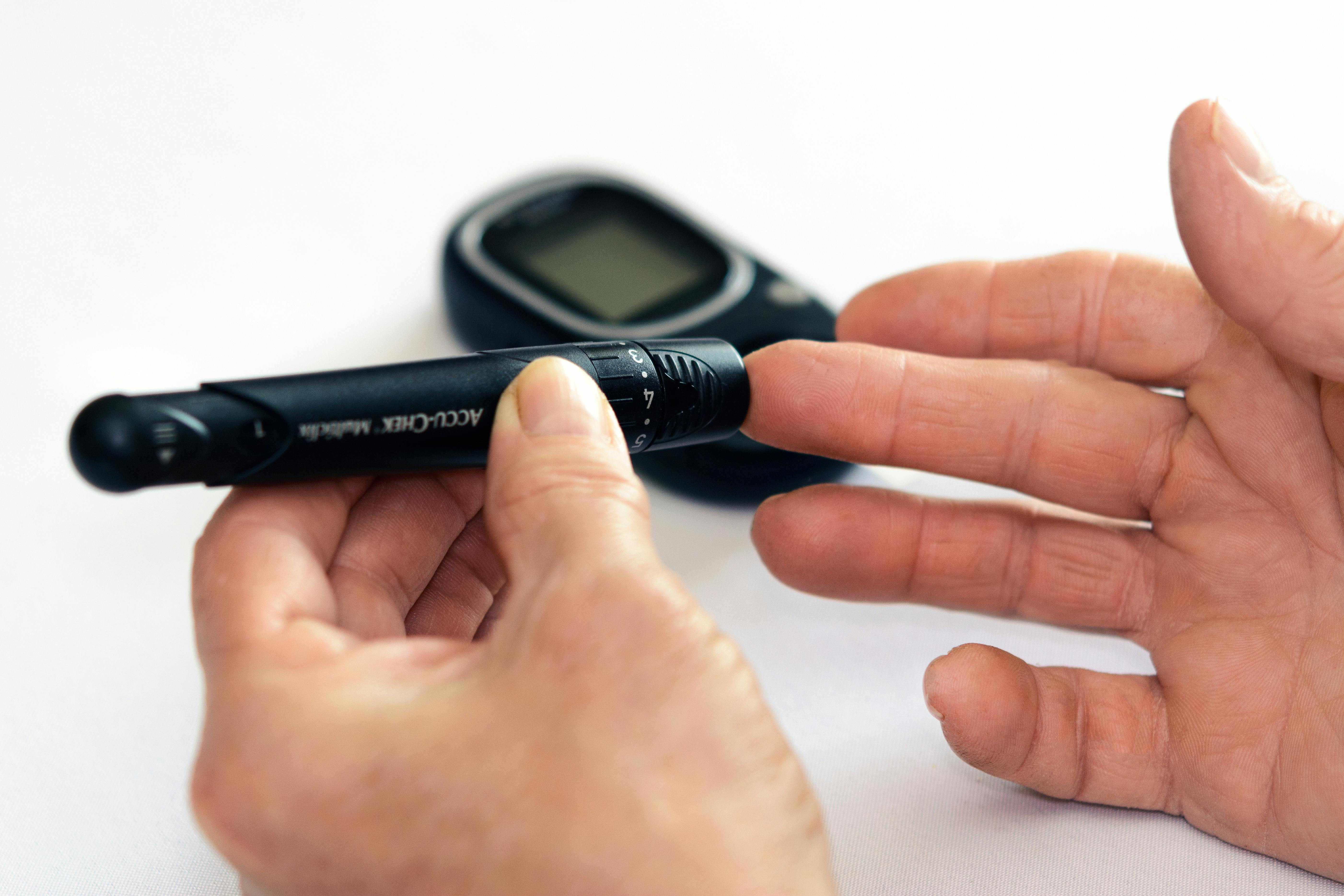
Diabetes is a group of metabolic disorders characterized by chronic hyperglycemia due to defects in insulin secretion, insulin action, or both. Although the proper treatment of diabetes includes continuous insulin injections to maintain blood glucose levels, there is increasing interest in alternative approaches for treating insulin resistance and T2D.
Introduction
Scientists studied traditional herbalists’ recipes and unlocked their full potential by refining the formulas and preparing the herbs in new ways. Type 1 diabetes is an autoimmune disease that destroys pancreatic beta cells in producing insulin. Type 2 diabetes is characterized by increased blood glucose due to decreased insulin secretion and function (Pallag et al., 2016).
Diabetes is characterized by persistent hyperglycemia, insulin resistance, and complications such as neuropathy, arteriopathy, kidney dysfunctions, cardiomyopathy, cardiovascular diseases, and liver and kidney failures. Although the proper treatment for diabetes includes continuous insulin injections to maintain blood glucose levels, researchers are increasingly turning to natural herbs for diabetes (Pallag et al., 2016).
Although the proper treatment of diabetes includes continuous insulin injections to maintain blood glucose levels, there is increasing interest in alternative approaches for treating insulin resistance and T2D. Chicory significantly reduces blood sugar and glucose fluctuations and increases metabolism in type 2 diabetes patients with excess weight, due to its inulin content. Equisetum arvense is one of the most effective plants for blood sugar, stabilizing metabolism, and hormone production. Tuberous roots are rich in inulin, which supports glucose utilization in the human body and may improve insulin sensitivity in diabetic patients. Blueberry leaves improve insulin sensitivity and action.
Chicory
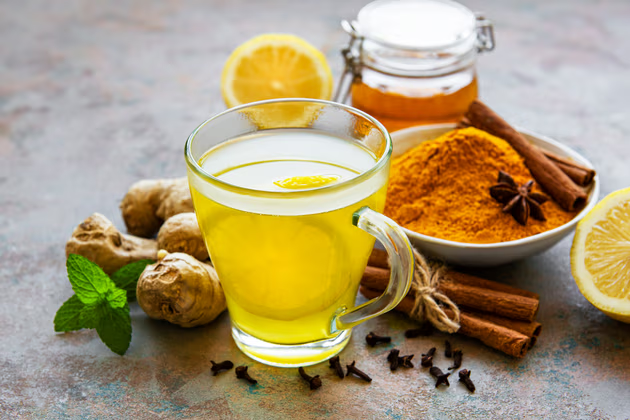
Chicory (Cichorium intybus L) is a main crop in northwestern Europe, and the chicory roots are rich in fiber inulin. A bitter drink made from chicory roots as a substitute for coffee in France and Japan, where people of all ages can drink the chicory root extract due to its non-caffeine components. Chicory inulin reduced energy intake and is a powerful substitute for dietary fat. Inulin is a fructo-oligosaccharide, a fructose polymer with b (2/1) glycosidic linkages. Inulin in chicory significantly reduces blood sugar and glucose fluctuations (Nishimura et al., 2015).

Thus, chicory has an inulin content of 150 g kg-1 on a fresh-weight basis and 750 g kg-1 on a dry-weight basis.
Chicory increases metabolism and supports weight loss; therefore, it is highly recommended for patients with type 2 diabetes who are overweight. Chicory is a rich source of vitamins B and C and boosts energy levels. The presence of high vitamins and microelements enhances immune responses. The infusion and brew of Chicory increase appetite and regulate digestive activity (Nishimura et al., 2015). In one clinical trial of type 2 diabetic women, using 10 g/d inulin for 2 months reduced fasting blood glucose, insulin, and hemoglobin A1c (HbA1c) concentrations and malondialdehyde levels compared with maltodextrin (Pourghassem Gargari et al., 2013). Also, adults tolerated 12 g/d of inulin for 2 weeks. It caused a significant improvement in bowel movements and a significant increase in Bifidobacterium and Lactobacillus in cases with an average fecal Bifidobacterium count (García-Peris et al., 2012).
In another trial, cases who used the chicory root extract for 4 weeks showed a significant decrease in HbA1c levels compared with the control group. No significant differences in the fasting blood glucose or insulin and total cholesterol, low-density lipoprotein-cholesterol (LDL), High-density lipoprotein-cholesterol (HDL), triglyceride, or serum adiponectin were observed before and after consumption of chicory root extract. Inulin fructans can modulate lipid metabolism in human cases and animal models (Nishimura et al., 2015). Using 10 g inulin/d for 6 weeks in 18 cases decreased the TG and T levels. Regarding the results, no significant differences in blood pressure were observed between groups (Nishimura et al., 2015).
The chicory root extract containing less inulin improved hyperglycemia and bowel movement (Nishimura et al., 2015). Also, oligosaccharides, such as inulin, improved glucose metabolism. Inulin is less susceptible to degradation by β-glucosidase. Therefore, chicory root extract gradually increased the postprandial plasma glucose. Inulin fructans cannot be digested easily by salivary and gastric juices due to b-(2/1) fructose linkages (Letexier et al., 2003).
Bioactive components of Equisetum arvense
Equisetum arvense L. belongs to the Equisetaceae family. This weed is widely spread in the northern hemisphere in fields and uncultivated land (Hegedűs et al., 2020). Horsetail has been used in ancient Greek medicine. Whole or cut, dried aerial parts, Equiseti herba, of Equisetum arvense L. used in phytotherapy (Pallag et al., 2016).
E. arvensis contains high concentrations of phenolic compounds, saponins, aconite, oxalic and malic acid, resins, tannins, pectin, flavonoid compounds, vitamin C, carotenoids, and minerals (Kukric et al., 2013).
The number of bioactive components in E. arvense varies in different geographical areas. Field horsetail contains polyphenols, flavonoids, saponins, dietary fibers, vitamins A, E, and C, potassium, calcium, and silicates with antidiabetic activity (Pallag et al., 2016). The total phenolic compounds in the field horsetail extract were 355.80±17.8 mg GAE/g of the dried section, depending on environmental and geographical conditions (Hegedűs et al., 2020). Also, total phenolic compounds in the n-butanol, ethyl acetate, and water extracts of Horsetail from the mountain of Zlatibor and Serbia were 96.4, 26.4, and 15.4 mg GAE/g of the dried section, respectively (Pallag et al., 2016). The total phenolic in the ethanol extract was 355.80±17.8 mg GAE/g of the dried area. The high antioxidant and antimicrobial activity of E. arvense ethanol extract is directly linked to high total phenolic content (Pallag et al., 2016).
Equiseti herbal contains inorganic compounds (especially silica), caffeic acid, flavonoids, alkaloids, and saponins (Sing et al., 2010). Flavonoids (flavones and flavonols) are generally present in a glycoside form. Flavonoids and phenolic acids, such as Gallic acid, have antioxidant activity (Asgarpanah and Roohi, 2012). Total flavonoid contents in the Pharmacopoeia and the Romanian Pharmacopoeia require
At least 0.3% flavonoids (Pallag et al., 2016).

- .
Equisetum arvense and diabetes
It has been proven that Equisetum arvense is one of the most effective plants for blood sugar. In traditional medicine, Equisetum stabilizes blood sugar levels and is used as a hemostatic, anti-inflammatory, and antibacterial treatment; it also stabilizes metabolism and hormone production (Hegedűs et al., 2020).
During the 6-week period, blood glucose levels in the animals treated with horsetail were lower than in the STZ-DC rats. Significant improvement in glucose tolerance was only in animals treated with the 100HT horsetail compared to the control (Pallag et al., 2016). Horsetail could enhance the impaired insulin production associated with STZ treatment. All STZ-treated groups had reduced plasma insulin levels compared to healthy controls due to impaired pancreatic B-cell function (Pallag et al., 2016).
Various doses of horsetail ethanol extract have different effects on blood glucose and insulin resistance. Even fasting plasma insulin levels were low. However, 50 mg/kg horsetail extract does not affect hyperglycemia or insulin resistance, and 200 mg/kg was not achieved. However, 100 mg/kg significantly reduced blood glucose and improved insulin sensitivity in cells (Pallag et al., 2016).
Conclusion
Although the proper treatment for diabetes includes continuous insulin injections to maintain blood glucose levels, researchers are now exploring natural herbs for diabetes. Due to the side effects and temporary use of chemical drugs, herbal, natural, and chemical drugs are recommended for people with diabetes. However, more scientific studies are needed to confirm the effectiveness of herbal and natural supplements on diabetes cases.
References
Ahangarpour A, Heidari H, Oroojan AA, Mirzavandi F, Nasr Esfehani K, Dehghan Mohammadi Z. Antidiabetic, hypolipidemic and hepatoprotective effects of Arctium lappa root’s hydro-alcoholic extract on nicotinamide-streptozotocin induced type 2 model of diabetes in male mice. Avicenna J Phytomed. 2017;7(2):169-179.
Asgarpanah, H, J., ROOHI, E., Journal of Medicinal Plant Research, 6, no. 21, 2012, p. 3689.
Chang WC, Jia H, Aw W, Saito K, Hasegawa S, Kato H. Beneficial effects of soluble dietary Jerusalem artichoke (Helianthus tuberosus) in the prevention of the onset of type 2 diabetes and non-alcoholic fatty liver disease in high-fructose diet-fed rats. Br J Nutr. 2014; 112: 709–717.
García-Peris P, Velasco C, Lozano MA, Moreno Y, Parón L, de la Cuerda C, et al.Effect of a mixture of inulin and fructo-oligosaccharide on Lactobacillus and Bifidobacterium intestinal microbiota of patients receiving radiotherapy: a randomised, double-blind, placebo-controlled trial. Nutr Hosp. 2012;27: 1908e1915.
Hegedűs C, Muresan M, Badale A, et al. SIRT1 Activation by Equisetum Arvense L. (Horsetail) Modulates Insulin Sensitivity in Streptozotocin-Induced Diabetic Rats. Molecules. 2020;25(11):2541. Published 2020 May 29. doi:10.3390/molecules25112541.
Kukric Z., Topalić-Trivunović L., Pavicic S., Zabic M., Matos S., Davidovic A. Total phenolic content, antioxidant and antimicrobial activity of Equisetum arvense L. Chem. Ind. Chem. Eng. Q. 2013;19:37–43.
Letexier D, Diraison F, Beylot M. Addition of inulin to a moderately high-carbohydrate diet reduces hepatic lipogenesis and plasma triacylglycerol concentrations in humans. Am J Clin Nutr. 2003; 77:559e564.
Nishimura, M, Ohkawara, T, Kanayama, T., Kitagawa, K, et al., Effects of the extract from roasted chicory (Cichorium intybus L.) root containing inulin-type fructans on blood glucose, lipid metabolism, and fecal properties, Journal of Traditional and Complementary Medicine, Volume 5, Issue 3, 2015, Pages 161-167.
Pallag A., Tünde J., Pasca M.B., Sirbu V., Honiges A., Costuleanu M. Analysis of phenolic compounds composition by hplc and assessment of antioxidant capacity in equisetum arvense l. Extracts. Rev. Chim. 2016;67:1623–1627.
Pourghassem Gargari B, Dehghan P, Ali Asgharzadeh A, Asghari Jafar-Abadi M. Effects of high-performance inulin supplementation on glycemic control and antioxidant status in women with type 2 diabetes. Diabetes Metab J. 2013;37:
About Post Author